



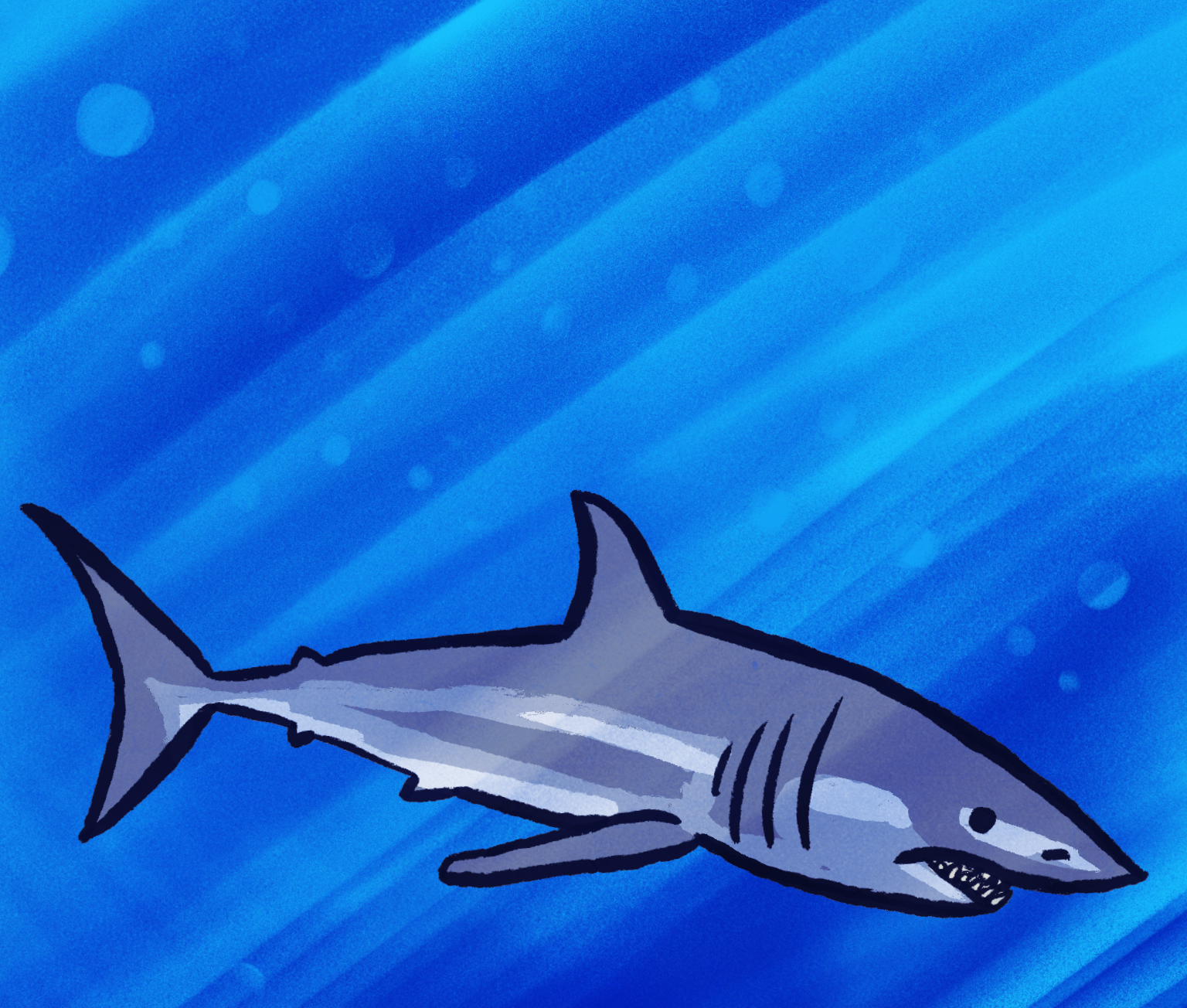
Swimming across the oceans from Canada’s East Coast to the Caribbean Sea are the Atlantic shortfin mako sharks. They are highly migratory animals that can be found in places such as Nova Scotia, New Brunswick, and Newfoundland within the range of Canada alone.
The International Union for Conservation of Nature (IUCN) Red List noted this species as being endangered globally. A specific number was not given, but one thing is for sure: the population is declining due to overfishing.
This issue was raised in 2017, when scientists associated with the International Commission for the Conservation of Atlantic Tunas (ICCAT) released a report on the depleting status of the Atlantic shortfin mako sharks due to serious overfishing.
“Shortfin makos are particularly valuable sharks, sought for meat, fins, and sport. Slow growth makes them exceptionally susceptible to overfishing. Makos are fished by many nations around the globe yet not subject to international fishing quotas…. [ICCAT scientists] estimate that rebuilding will likely take ~50 years, even if mako fishing stops.”
The issue reached a worldwide concern in 2019 and the Canadian government decided in 2020 to implement its own ban on the fishing of this endangered species, making it the first North Atlantic country to adhere to a longstanding recommendation from ICCAT scientists.
Shannon Arnold, senior marine program co-ordinator at the Ecology Action Centre in Halifax, said in a statement after the nation moved forward with the new regulation:
“[This] action represents a milestone in Canada’s remarkable emergence as a leader in global shark conservation, and one of the most significant steps to date in an urgent effort to save this exceptionally imperiled mako population.”
Unlike last year where the ICCAT’s annual meeting with leaders all over the world was postponed due to COVID-19, the 2021 meeting was conducted virtually November 15–23. Some of the key steps to protect Atlantic shortfin mako sharks outlined in the meeting by the Shark League Position Statement are as followed (but not limited to):
– Immediately ban retention and base recovery plan on ≥70% chance of success.
– Over the coming years, adopt bycatch mitigation measures as scientists advise.
– Give protections time to work before considering exceptions.