



Legalization is finally a reality. Despite this, it’s become apparent that alcohol is the golden child in the government’s eyes.
Ads portraying the glamour of liquor are plastered all over, flaunting the freedom of alcohol advertising with every glistening bottle of booze. The promise of a good time is insinuated in every ad, making for the perfect propaganda.
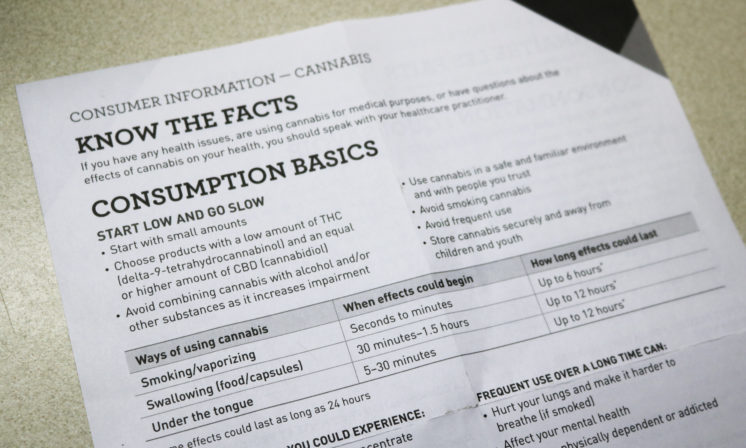
Meanwhile, cannabis is being treated in a completely opposite way. There are few cannabis ads. Existing ads are controlled by the government and centred around warning the public about the dangers of cannabis and ignoring any concept of recreational use.
This is hypocrisy.
The legal limits on cannabis advertising prevent it from reaching the glamorous status of its alcoholic competition. According to Bill 108 of The Cannabis Control Act, there’s a ban on any advertising that may be considered appealing to youth. These limits restrict appealing packaging or labelling, selling through a self-service display or vending machine, and all promotion of cannabis products that may be seen by youth. Violators could face a fine of upwards of $5 million or even three years of jail time.
In contrast, there are virtually no limits on the advertisement of alcohol in Canada. The Code for Broadcast Advertising of Alcoholic Beverages says that all advertising of alcoholic beverages must not attempt to influence non-drinkers to drink or purchase alcoholic beverages, be directed at any persons under the legal drinking age or attempt to establish the product as a social symbol. Despite these rules, most alcohol ads still contribute to the normalization of casual drinking, with montages of attractive young people partying and selling the fantasy of alcohol, while ultimately facing no repercussions.
The difficulty of following the rules constraining cannabis advertisements and the strict nature of the cannabis legislature is already being felt by cannabis crown corporations, such as Cannabis NB, especially in comparison to the alcohol. Government-run cannabis stores feature no inner or outer cannabis advertising.
On top of that, there will be a dividing wall prohibiting the rest of the store from interacting with the cannabis side. Yet in the same building, you can witness the flagrant nature of alcohol advertising on posters featuring ‘a cold one with the boys’ dripping with a beer commercial’s iconic dew drops.
The lack of advertising for cannabis products is not only detrimental to the business but also dangerous to society. With cannabis readily available, legalization is meant to make monitoring consumption easier, in hopes of ensuring public safety. Instead, the Nova Scotia government appears to be set on hiding this secret in shame, despite Canada very publicly announcing legalization and causing waves globally as other countries watch to see how legalization plays out.
This only encourages the misinformation surrounding the drug.
Statistics Canada conducted the National Cannabis Survey Quarterly during 2018 to gauge cannabis attitudes leading up to legalization. The survey reports that 82 per cent of non-cannabis users said they would be unlikely to try cannabis or to increase their consumption with legalization, relatively unchanged from the first quarter result of 79 per cent.
Intention to smoke cannabis largely depends on whether the person is already a cannabis smoker. These stats emphasize that the level of caution involved in the advertisement of cannabis is ridiculous.
Given the lack of restriction involved in the advertisement of alcohol, it’s shocking to see the government’s strict hold over a drug that is arguably safer. Despite its newly legalized status, cannabis is still being treated as an illegal substance and it appears that the government’s blind fear of the drug won’t be going away any time soon.
Why is there such a fear surrounding the casual use of cannabis?
Factors such as racism and misinformation could be affecting these feelings. But legalization is here and happening now. There needs to be a focus on ending the stigma.
Cannabis is the new normal and it’s here to stay; it’s about time our advertisements reflected that.
Editor’s Note: This commentary was first published in the Dalhousie Gazette on Dec. 7, 2018.