



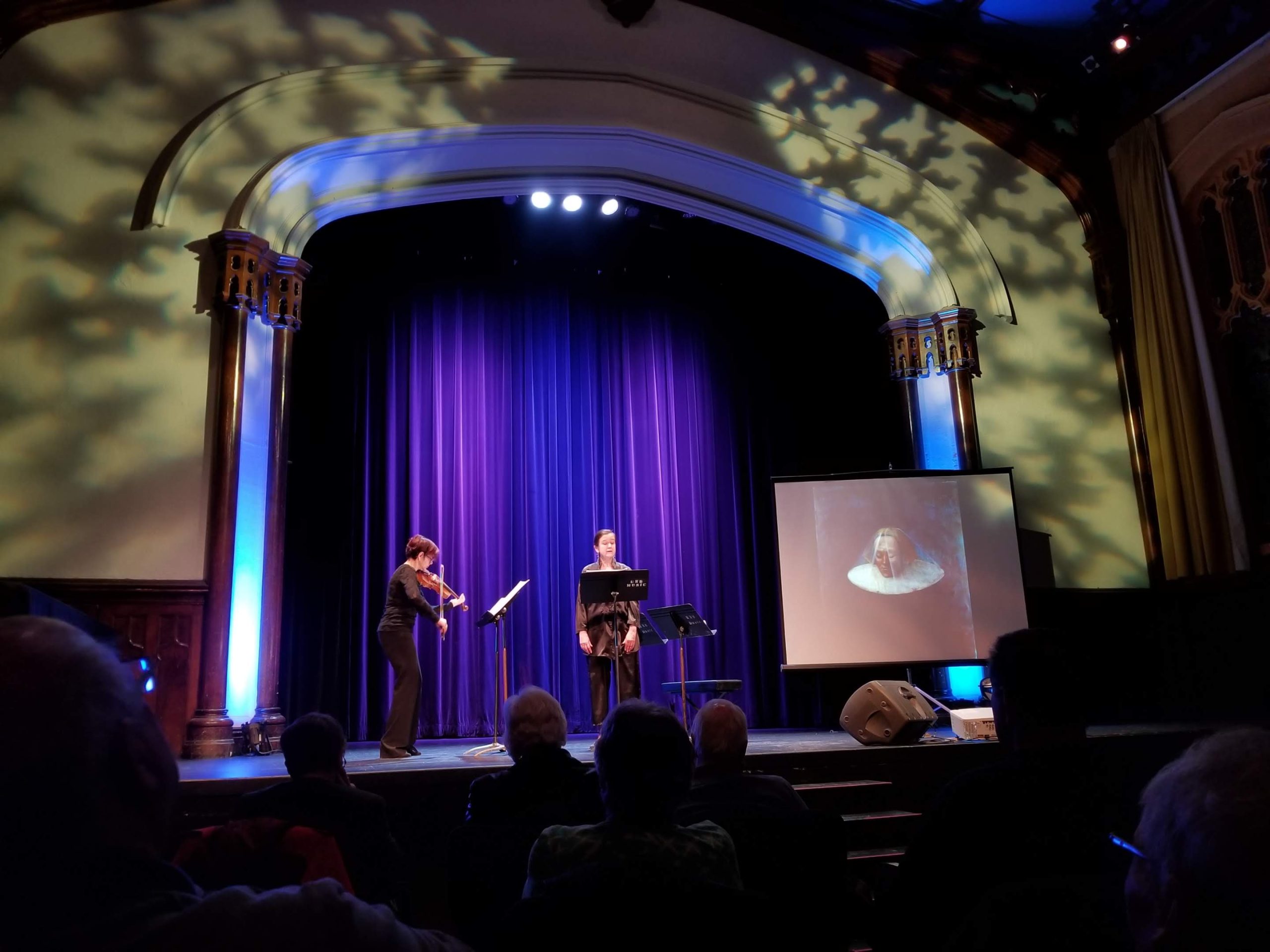
UNB’s Memorial Hall filled with music the night of Nov. 18, from an era before the clarinet was even invented and royalty reigned over Europe.
Proceeding the Renaissance music era, the Baroque music style was at its height from roughly 1600 to 1750. Well-known composers like Johann Sebastian Bach reigned supreme during the this period, and Baroque music signalled the development of more elaborate music styles in Europe. Baroque music is known to maintain a singular mood throughout its long songs and use songs in a particular key.
To the average person, “classical” music can seem pretty inaccessible or even boring. This is understandable, as you have to do a fair amount of research to understand and fully enjoy this music. Even if you understand its origins and all the complex musical theory terms used to describe it, it’s a very particular style of music not necessarily preferred by everyone.
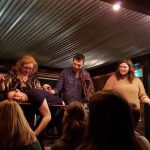
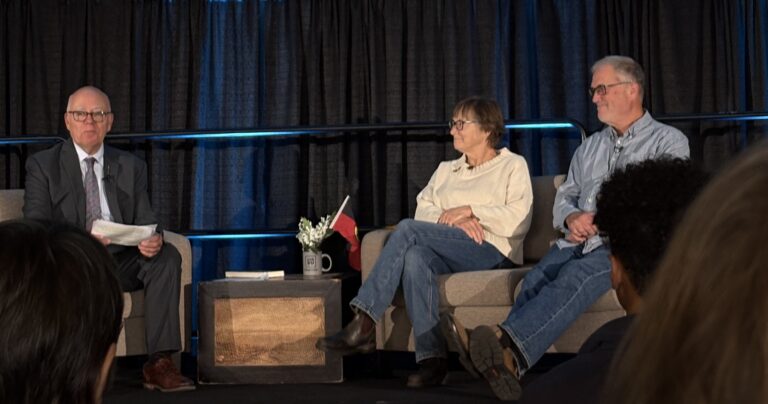
Professional musicians Richard Hornsby, Nadia Francavilla and Helen Pridmore as the Motion2 Ensemble brought Baroque music with a modern twist to the ears of their Memorial Hall audience.
Hornsby, the director of the Centre for Musical Arts at UNB, specializes in clarinets and saxophones. He is involved in many musical projects, which include collaboration with organizations like the National Arts Centre and the Toronto Symphony.
Francavilla, UNB’s musician-in-residence since 2009, is a Montreal-born violinist who has toured North America, Europe and Japan. She also teaches violin at Université de Moncton and Mount Allison University.
Pridmore is a vocalist who enjoys focusing on contemporary musical scores, experimental music and improvisation. She taught at Mount Allison University for 15 years, performed at Carnegie Hall in New York in 2012, and won an East Coast Music Award for Best Classical Recording in 2013.
The trio came together to perform Baroque-style music, ranging from original pieces from the 1500s to modern composers working with the Baroque style. Each piece was performed alongside paintings by Belgian visual artist Nele Boudry, who sees herself as a Flemish and deeply emotional painter.
Boudry’s paintings featured medieval or renaissance characters without eyes, without mouths, holding eyeballs, or in dark clothing. These subjects seemed to be in melancholy states of sadness, unrest or confusion. The music of the night seemed to align with the emotion of the paintings, and at times made the performance feel mildly disturbing or unsettling.
The program began with solo performances by each musician, eventually progressing to duet and trio performances. The performance included work from composers like Moulinié, Finissy, Bach, and Albinoni: all European composers who varied slightly in style.
The three musicians took time to explain their songs before they performed them, providing the audience with valuable context and musical understanding. While classical music may seem intimidating or unreachable to some people, Hornsby, Francavilla and Pridmore communicate its underlying meanings to put on a compelling show for their audience.