



As I sit at meal hall with my friends, I overhear a group of people behind me talking about their night out. A person yells, “You slept with her? She’ll go home with anybody, you better get checked!” The group laughs and moves on to talking about all the “awesome kills” they’ve had that week, oblivious to the irony of what they just said. I want to turn around and call them out but I’m frozen in anger, unsure how to respond.
This is what I wish I could have said that day. This is what I wish they knew.
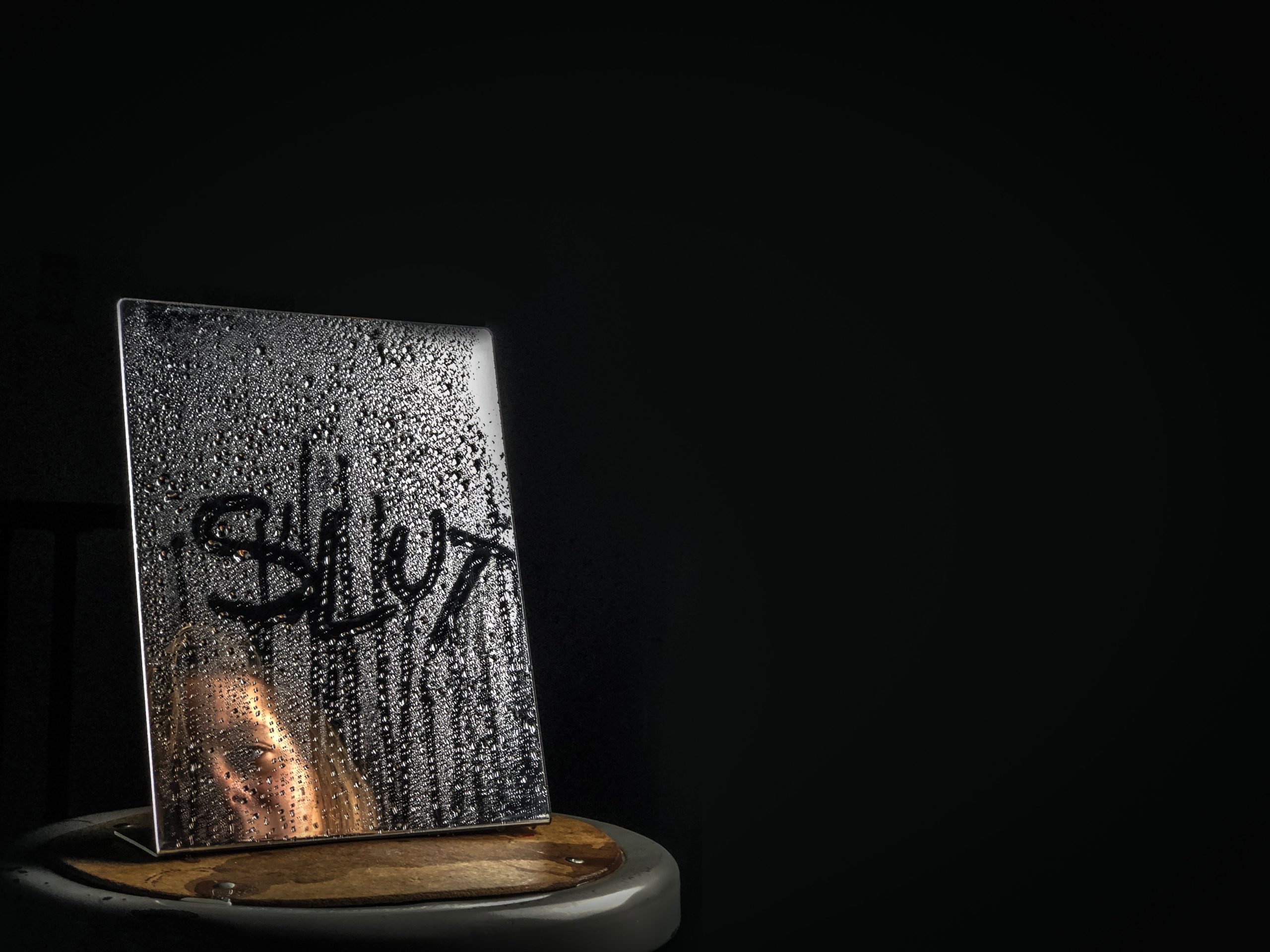
There’s posters plastered around our campus to raise awareness of slut-shaming, but conversations like this one are still way too common. Slut-shaming is those creepy comments you see on Instagram pictures, people sharing nude photos without consent and making rude comments on someone’s “scandalous” outfit. Overall, it is to stigmatize a person for showing behaviours considered promiscuous or sexually provocative. It’s incredibly harmful to the person being targeted, not to mention outdated and unacceptable. If you feel entitled to speak on a womxn’s* sexual expression then we are leaving you in 2018.
I remember slut shaming being a problem as early as middle school, before anyone truly understood what sexual expression was. Nearly all of the womxn I know can remember a time that they were called a slut. This name-calling and ostracizing is so normal in our society that most people don’t even think twice about it. This attitude created at such a young age gives rise to the idea that womxn shouldn’t express their sexuality – or at least “not too much,” because then people would call you a prude instead – but don’t even get me started on that.
So here’s the thing. Most of the time when slut-shaming happens, nobody questions it – it fits in with what society considers the norm. Whether we realize it or not, our society is littered with pieces of rape culture and double standards. Consider Ana Paula da Silva, a Brazilian lawmaker who is being criticized for an outfit she wore to a swearing-in ceremony. Her picture has been plastered across social media with captions like “Breasts of discord” and “#trashy” – all for wearing a low-cut top. Not to mention the double standard of Adam Levine showing his nipples at the Super Bowl halftime show after Janet Jackson’s performance, considered as a “horrible wardrobe malfunction,” spurred a national debate on public indecency and had a serious impact on her career.

It goes without saying that slut-shaming can impact a person in many ways. It gives young womxn the impression that they can’t make their own choices on how they want to express themselves and their sexuality. Womxn are expected to be subservient, which can put them in a place of danger by encouraging them to accept the demands of someone else rather than make their own choices on sexual health. Slut-shaming can also have a huge impact on mental health – knowing that others are judging and labeling you can have serious effects on one’s self-esteem.
Arguably the worst outcome that results from slut-shaming is the idea that womxn could be the cause of their own sexual assault. This attitude feeds into the myth that womxn who are sexually expressive are deserving of creepy and unwanted attention. You’ve heard the terrible words before: “But did you see what she was wearing?” “She shouldn’t have flirted so much.” “But she has sex all the time!” Slut-shaming is the foundation of victim blaming and contributes to rape culture by normalizing the idea that a womxn’s sexual expression is an invitation for abuse. Because of this attitude there is a huge barrier for victims of sexual violence as they fear others will think they brought what happened to them upon themselves. And sadly, it is one of the biggest reasons that sexual assault goes unreported.
Now as unfortunate as all of this information is, it doesn’t have to be this way! Anyone can make a difference in how slut-shaming impacts womxn. The first step is knowing when to step in. Any time you hear someone making a questionable comment about a womxn’s appearance, sexual expression or sexual history, hold them accountable for what they are saying. Some people may not even know how large of an impact they could have, and education may be all they need. Tell people that what they are saying is not okay. This can be as simple as, “I think you’re better than that,” or, “It’s not your place to decide how someone else expresses themselves.” You can also advocate for change within your community by starting your own campaign or bringing in a staff member from the Fredericton Sexual Assault Centre to address the many components that make up rape culture. Finally, and most importantly, do not question or comment on a womxn’s choices of how they express themselves, rather support them!
If you’re interested in learning more about slut-shaming, the Fredericton Sexual Assault Centre and the campus sexual assault support advocate will be hosting a video launch as a closing to their slut-shaming campaign on March 15 from 11am-2pm in room 103 of the UNB Student Union Building. Their event Spilling the Tea – on Rape Culture will bust myths surrounding sexual violence and discuss the impact of these myths on society while providing complimentary tea and treats.
*Womxn- a way of spelling “women” or “woman” that is more inclusive and considers the prejudice, barriers, and discrimination that womxn face.