



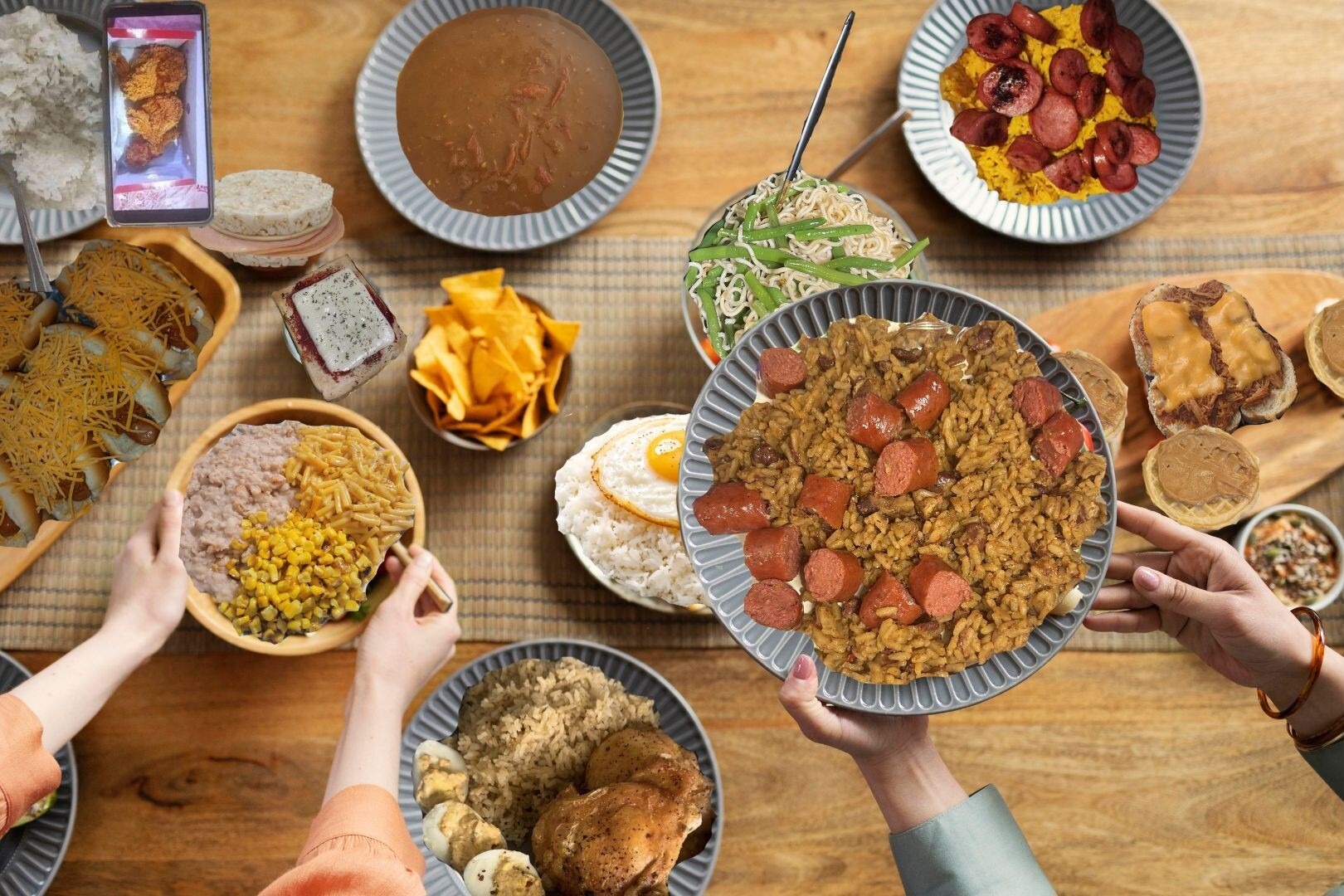
Cover Photo Credit: Graphic by Mason Tozer
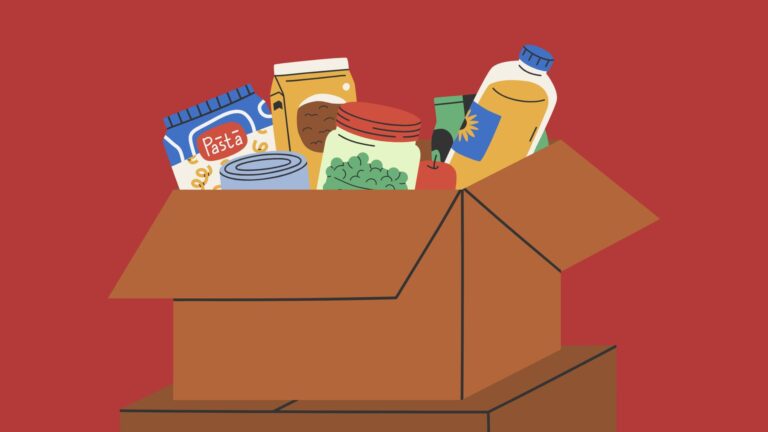
Depression meals are defined by their cheap pricing and ease to make, which are both perfect for a university student. They are also defined by their lack of nutritional value and humorously unappetizing appeal.
The majority of university students in Canada struggle with money; 70% of students report skipping meals in order to save money, while 24% struggle to pay rent, on the cusp of homelessness, and more regularly needing food banks.
On average, on the lower end, the cost of an international student’s tuition is anywhere from $18,000–$40,000 per year for an undergraduate program and $12,000–$60,000 per year for postgraduate. More prestigious universities like Waterloo can range from $50,000–$70,000. On top of that, students on average tend to spend from $1,430–$2,775 monthly for other living expenses like rent and groceries, totaling $11,440–$22,200 annually. The average yearly salary of a part-time university student worker is about $17,00-$19,000, which is clearly not enough to cover both living expenses and university costs.
New Brunswick is suffering one of the greatest rises in food inflammation, seeing a 3.7% increase from May 2024 to May 2025. With these rises in prices, nutritional foods are almost impossible to buy without spending outrageous amounts for a student budget.
Grapes cost $8.75 (which don’t typically last long—either being quickly eaten or going bad) compared to fruit gummies with 28 packets lasting longer, and costing $8.47. Ramen is especially cheap ,a single package can cost only 12 cents not including tax.
Food has a large impact on our mental health, as eating high processed sugars and fats can create mood swings, bouts of anxiety, and depression. Unfortunately, depression and anxiety can also influence harmful eating habits like binging and skipping meals. One in three university students have also expressed concern with their mental health, as they endure anxiety and depression.
Via Wilson, a first year Arts major at the University of New Brunswick, mentioned her depression meal is:
“Micowaved rice because it’s quick and easy.”
Tami Fabiyi, a first year Nursing major at UNB, mentions her go-to “depression meal” saying:
“My go-to depression meal is Garri with milk and sugar … My financial situation affects this as it’s cheap and easy to make.”
Fabiyi further explains that since moving to Fredericton she’s:
“… been drinking more energy drinks and sugary drinks, and eating less fruits and vegetables.”
Adanna Okenwa-Aneke, a first year UNB psychology major, went as far as to say that:
“If I’m broke I don’t eat.”
The price of living makes having proper meals inaccessible to those who are living on their own, or even in residence, a meal plan ranging from $6,000-$7,000 for the year. Food is extremely important and people need it to survive, so skipping meals is harmful to young bodies and minds. Some of the consequences of skipping meals include: digestive issues, weakened immune systems, nutritional deficiencies, muscle breakdown, reproductive issues, and more.
Clearly, Canadian university students are facing food insecurity and struggling to obtain proper meals as a result of inflation and price of living. If you or someone you know is struggling with food insecurity, please check out the UNB Student Union food bank and fill in the required forms for extra support. As well, check out College Life Made Easy and Student Delicious for having a healthy meal on a budget.
For those who are able, please consider making a donation to the UNBSU pantry here.