




Jungles. Beaches. Soccer. All the things you usually think of when you think about Brazil. But in the fifth largest country in the world, there is much more to explore than just Rio or São Paulo. The northeast of the country is, although the poorest region of Brazil, the most stunning coastline in South America. The region ranges from beaches to the sertão, a semi-arid region inland with sparse leafy vegetation and abundant cacti. The unspoiled nature, deep colonial heritage and unique succulent cuisine of this area is what makes it distinct from the rest of the country.

Recife, the capital city of the state of Pernambuco, was one of the few cities colonized by both the Portuguese and the Dutch. The few surviving churches and forts up and down the coast portray the influence of the European nations in the state. The coast of the state is also home of the Atlantic forest, which once spanned the entire country but does no longer due to deforestation (especially during the colonial period). In the countryside of Pernambuco, where the sertão is predominant, towns such as Floresta contain Indigenous reservations and areas for the production of firewood.

Until the late 1980s, tourists rarely visited the small state of Rio Grande do Norte and its capital, Natal. Two things have transformed the state into one of the northeast’s biggest tourist centres: beaches and buggies. Just like Pernambuco, it is also very famous for its colonial architecture which, although scarce, still remains in some spots in the city.
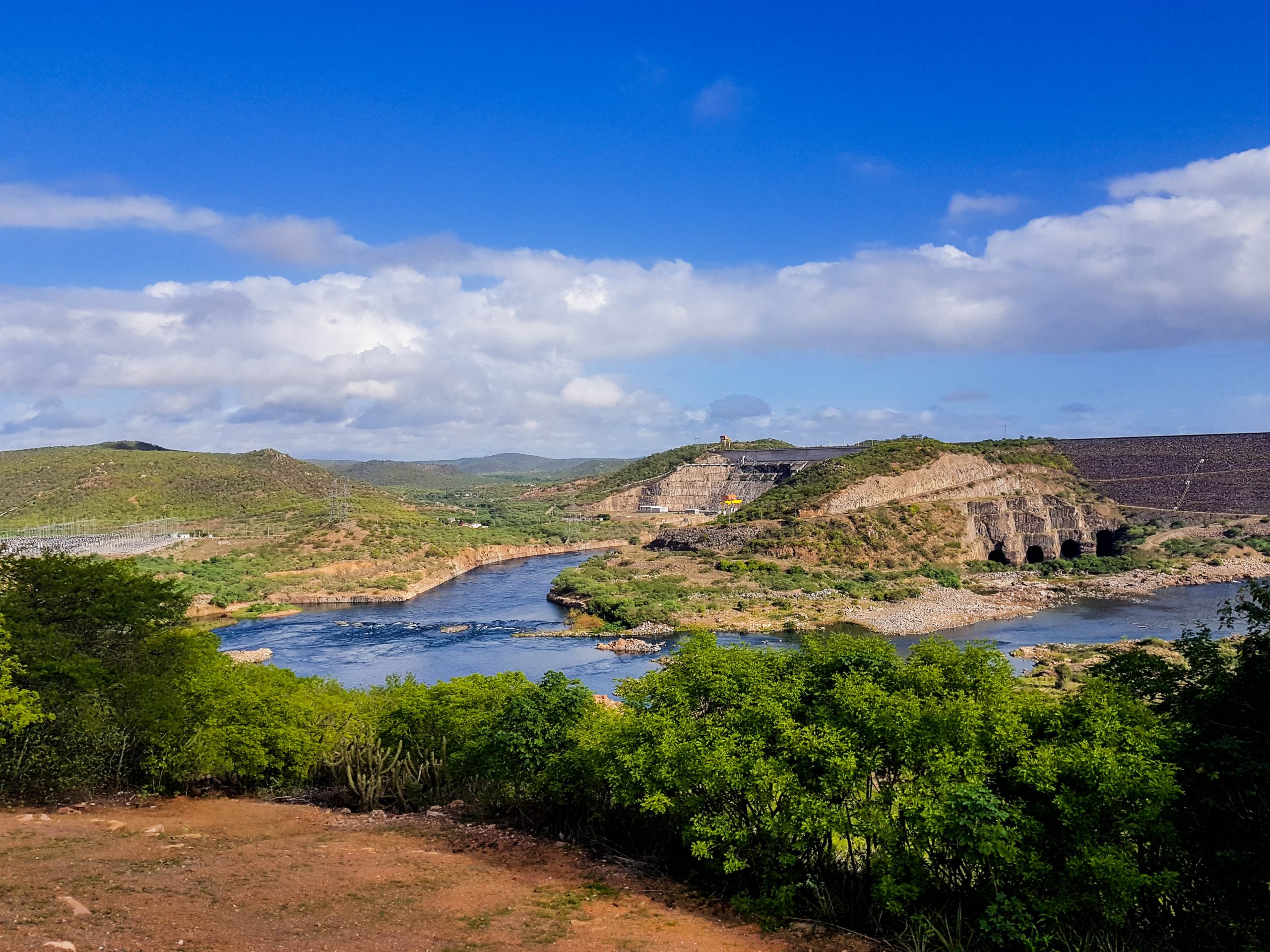
The state of Alagoas, although the second smallest state, is known not only for its capital Macéio but also for its Xingó Canyon, which is a beautiful valley in the city of Canindé do São Francisco. The extensive walls formed by erosion processes look like handmade sculptures. They have emerged from the construction of Xingó Dam on the São Francisco River.

The first capital of the country, Salvador, is located in the state of Bahia. The state is the largest one in the northeast, constituting over a third of the entire region. The modern skyline has a distinct beauty of its own, poised as it is on the mouth of a deep-blue ocean bay. Fantastic swimming beaches, the largest collection of colonial architecture in Latin America, and a vibrant modern culture – perhaps the richest living cultural mix in the country, with its Afro-Caribbean artists – all combine to make Salvador one of the most popular destinations in the northeast region.