



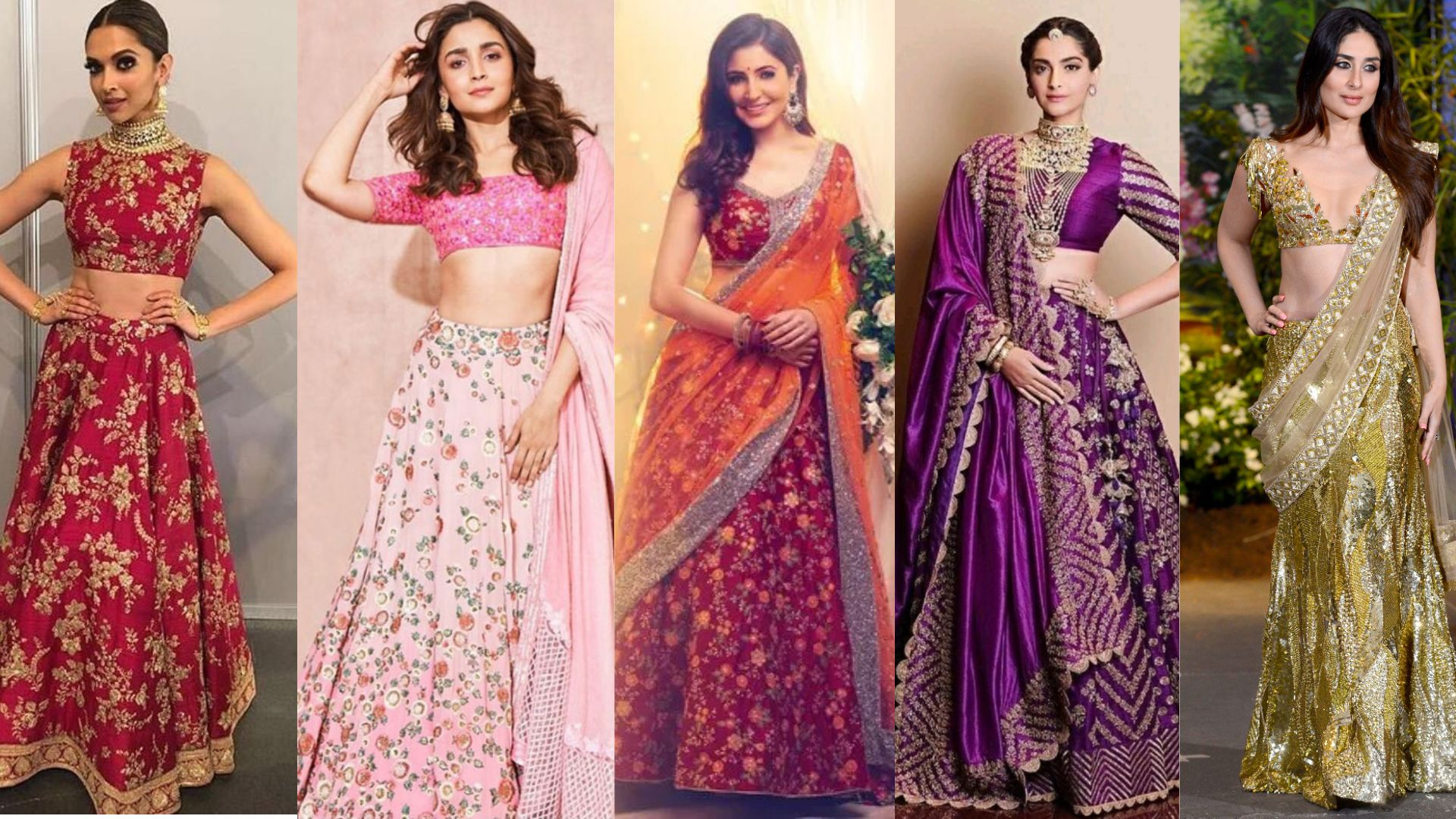
Cover Photo Credit: https://www.samyakk.com/, https://www.samyakk.com/blog/wp-content/uploads/2024/10/Untitled-design-22.jpg
The high-fashion seasons of 2025–2026 have been marked by a rise in the appropriation of Indian cultural designs, often without adequate recognition to their historical roots, or crediting contemporary designers who weave parts of India’s culture, heritage, and history in their works.
Although this issue is finally receiving the attention from the general public it deserves, the appropriation of Indian textile design is far from new.
India once dominated the textile market with cotton and silk. Fabrics such as muslin, chintz, and paisley patterns were highly valued internationally among European countries, as well as ancient civilizations like Greece and Rome. This appreciation was due to the high quality of the Indian artisans’ work, who The Voice of Fashion describes as mathematicians due to their understanding of weaving placement. The quality of textiles people wore often reflected different social hierarchies, with silk associated with royalty and cotton with the lower-end classes.
The industrial revolution changed this dynamic to benefit the European market, who reproduced Indian textile designs using machines. In this way, they copied paisley and chintz patterns without crediting Indian artisans, harming economic stability and leading to a loss of traditional knowledge.
This historical pattern of cultural appropriation continues to raise concerns today.
Brands such as Prada and Louis Vuitton have come under scrutiny for commercializing designs resembling elements of Indian culture. Prada released sandals similar to the traditional Kolhapuri chappals, while Louis Vuitton produced a handbag shaped like an auto rickshaw, a three-wheeled vehicle service which most Indian cities offer. Additionally, brands like PepperMayo have marketed dupattas, a traditional garment Indian women wear with outfits such as salwar kameez, lehengas, and kurta sets, as a “Scandinavian scarf.”
Laksanya Mor, a third year software engineering student at UNB from Delhi, expressed her feelings toward big brands using Indian styles used without proper credit:
“There’s nothing wrong with taking inspiration and going ahead with ideas that already exist, making it your own version and presenting it. But I would say that credit should be given where it’s due, instead of calling it something completely new or presenting it as something that’s never existed before.”
Rini B. Mehta, an Associate Professor in the department of religion at the University of Illinois, pointed to factors that help explain the growing fascination with Indian culture and its influence in global fashion. In an interview through the Sunnpost, she attributed this interest to an emergence of a new era focused on spirituality and ideas of enlightenment often found in Indian cultural traditions.
Exposure can be beneficial for a more inclusive world; however, this movement walks a fine line between cultural appreciation and appropriation.
The University of British Columbia defines cultural appreciation as “appreciating another culture in an effort to broaden their perspective and connect with others cross-culturally,” in contrast to cultural appropriation, which they describe as “taking one aspect of a culture that is not their own … and [mimicking] it—without consent, permission, or any cultural context or relationship to that item or practice—solely for personal interest, make money, gain popularity, or because they like the way it looks.”
Mor reinforces that definition, arguing:
“Appropriation would be similar to just using these things for their own purpose, and not presenting them in the correct context. Appreciation would be when you would give credit and appreciate their existence and the fact that we can build onto those ideas.”
The University of British Columbia also mentions how this appropriation contributes to social inequality, injustice, and racism.
Mor shared her opinion on how the impacts of erasure could look for Indian culture:
“We often get represented for a lot of wrong things. They should not be recognizing us for those, but when it’s for the right things, I don’t see a reason why they should shy away from recognizing us for those, too. I hope [brands] get this sorted out since it is important to give credit.”