



2020 has delivered many unexpected surprises, with COVID-19 remaining a primary concern. After being classified as a pandemic, this rapidly-spreading virus forced various sectors of the economy to shut down.
Countries went under lockdown, businesses and schools closed, and only essential workers were allowed to leave the house.
The education sector was heavily impacted worldwide and, in most African countries, education came to a complete standstill when schools were forced to close. There was no provision for alternative methods of teaching, so children spent six months without education. In other countries, like Canada, schools moved their classes online; the University of New Brunswick among them.
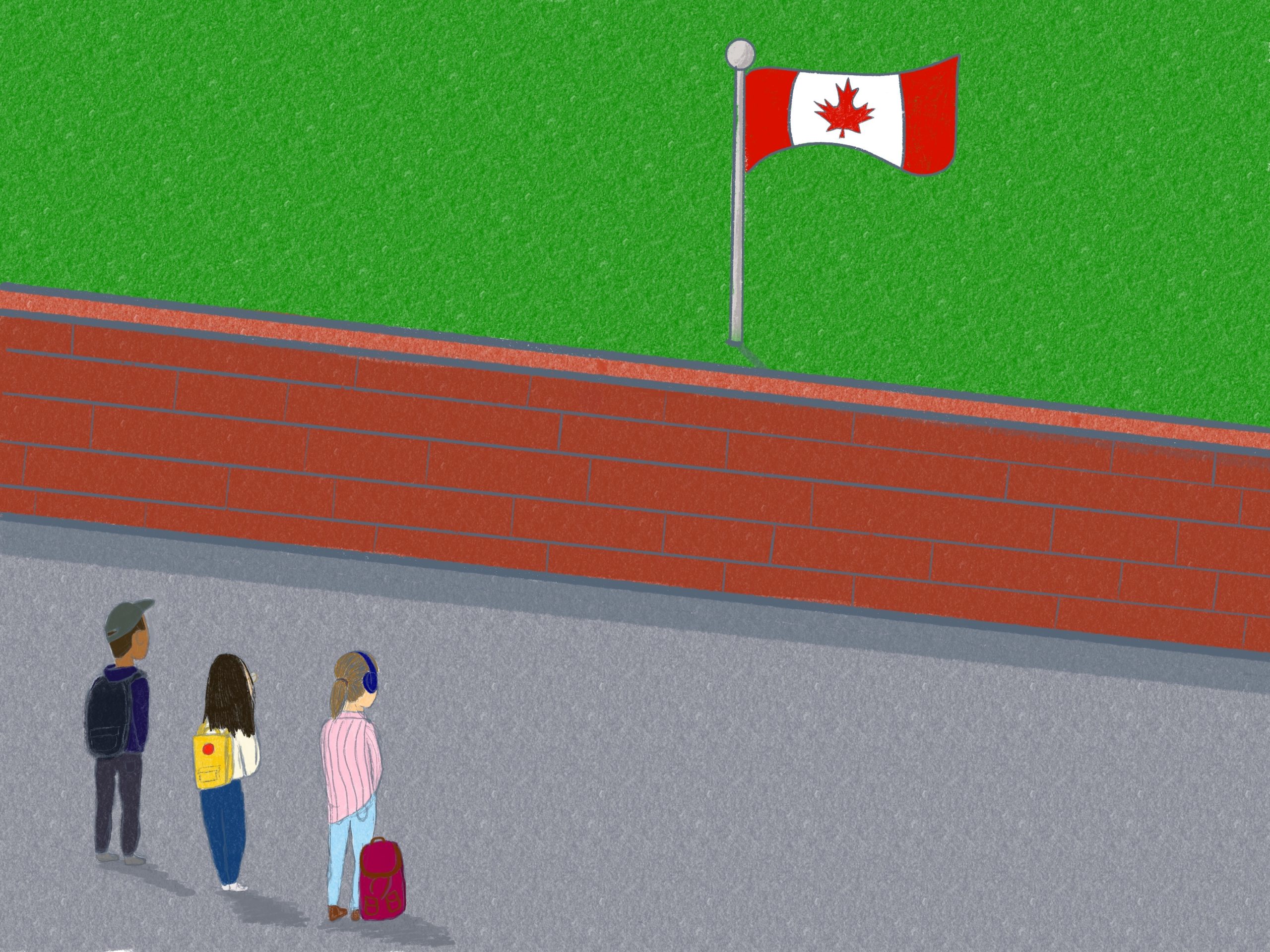
Canada ranks in the top ten countries with the highest number of international students in the world. Many international students had to travel back to their home country and are now unable to return for the fall term due to travel restrictions currently in place, and they’re being forced to take their classes online from their home country.
“I’m feeling a bunch of emotions at the moment. I’m excited to start classes, I’m anxious to see the outcome of the virtual classes, and I’m sad because I won’t be able to attend any of my classes physically,” said Boluwatife Fabamwo, a first-year Nigerian student.
Transitioning from high school to university isn’t easy, especially not for international students; so, in that sense, online classes present a positive. However, the time difference between countries remains a problem.
Shwaraj Tuse, a Masters student from Mumbai, India, is currently facing an eight and a half hour time difference, meaning that he attends most of his classes at night.
Some classes are asynchronous, though, meaning that the professor uploads pre-recorded lectures and students are able to complete it at their own pace, while adhering to deadlines. However, this also presents problems, as Fabamwo explained: “What I hate most about not being on campus is that studying virtually forces me to be much more independent, and I also have the tendency to procrastinate more.”
While authorities maintain the similarity between online and in-class learning, international students do not agree. They face unstable internet connections, bad weather conditions, time differences, and must often resort to e-textbooks due to the cost of international shipping.
They look forward to, and maintain hope for, a better winter term.