



Monday, Nov. 11 is Remembrance Day—a day when Canada remembers those who have lost their lives in service to the country.
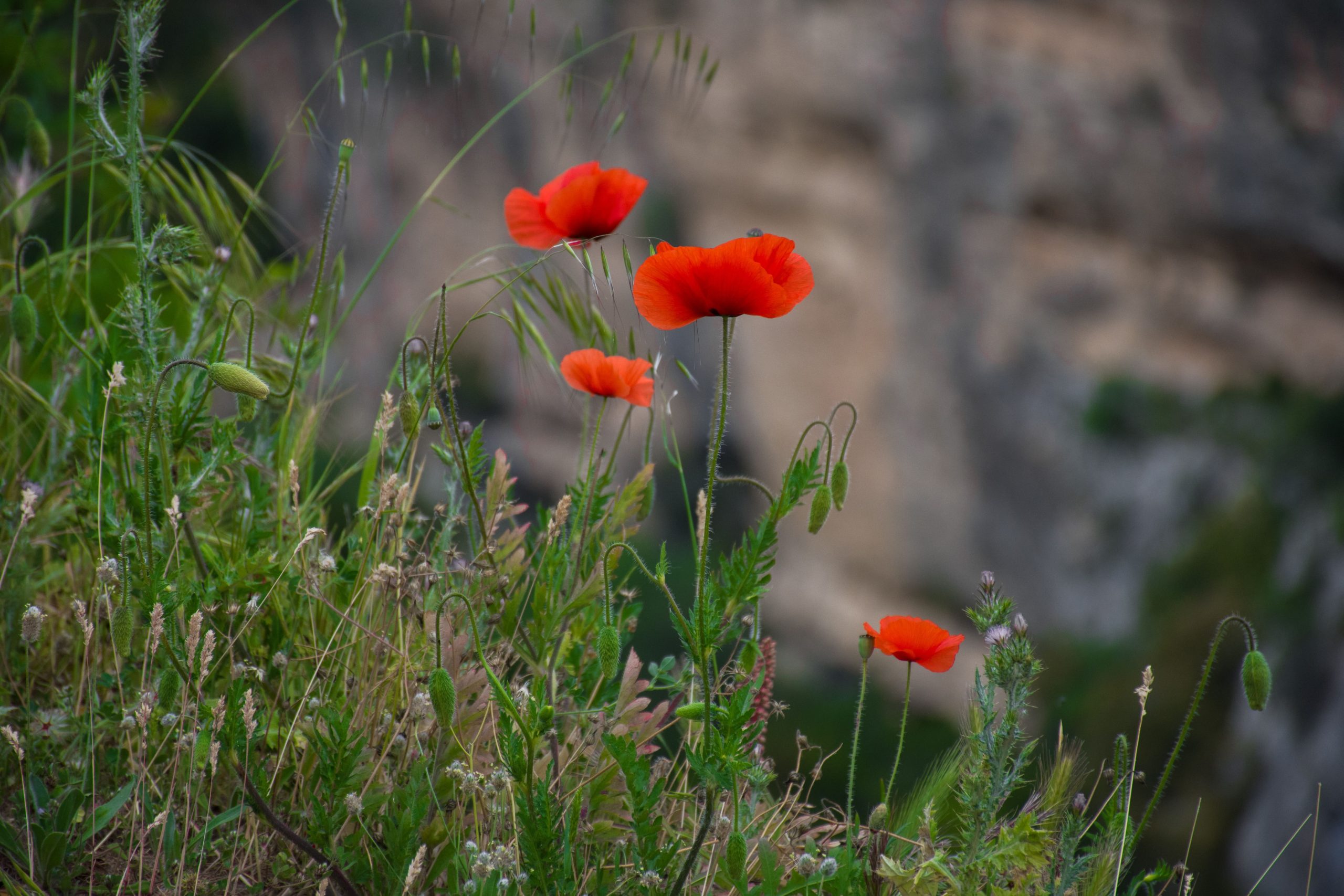
A popular Remembrance Day tradition involves wearing poppy on the left side of your chest, over your heart, in support and remembrance of Canadian soldiers. It began in 1921, inspired by the poem In Flanders Field by Lieutenant-Colonel John McCrae.
Normally, it is a red poppy that is worn. However, there have been several other versions of the poppy introduced over the years to represent other aspects of remembrance and war.
Recently, a controversial image of rainbow poppy has sparked conversation regarding the tradition of the red poppy, and what it means to show support on Remembrance Day.
Images of a red poppy with a rainbow-striped petal posted on an Etsy shop have circulated the internet since earlier this month. This rainbow poppy is supposedly meant to represent LGBTQ+ people who have died in service. It has since been discovered that the sale of the rainbow poppy was false, as it was not created by any community group and is not available in Canada.
However, the hoax did serve to revive discussions about those excluded from the traditional remembrance of war. Such discussions date back to the 1930s.
In 1933, the Co-operative Women’s Guild of Britain created a white poppy, which is still in use today. The white poppy represents not only the soldiers who served in the world wars, but all those who contributed to the war effort, attempting to draw attention to groups the red poppy excludes. As well, the white poppy includes all civilian casualties of war.
Often, the white poppy is seen as specifically honouring the women who were unable to serve as soldiers, yet lost their lives contributing to the war effort as nurses, radio workers, intelligence, and others.
The purple poppy was created in 2006 to commemorate animals who have died in service to war efforts. It began with the British animal rights group, Animal Aid. They were sold until 2015, when the poppies were replaced with a purple paw print. However, other organizations have continued to sell the purple poppy.
The existence of variations of the poppy can be quite controversial. Many are concerned that they take away from the main message of Remembrance Day: remembering the soldiers who have given their lives in service to our country, and recognizing the cost of war and those who pay it.
Others are concerned about the profits of these poppies. In Canada, the red poppy is given out by the Canadian Royal Legion for the price of a pay-what-you-can donation. The proceeds go to support veterans and services they require. There is concern with other versions of poppies that the profits do not go towards services supporting veterans, losing some importance of the poppy in doing so.
In favour of the different versions of the poppy are those who argue that the poppies single out groups whose service and sacrifice are often forgotten. The white poppy is a good reminder that many killed in war are not soldiers, but civilians and others who served in a different capacity.
While the reality of the rainbow poppy may not be what it seems, the mistreatment and lack of remembrance of LGBTQ+ military members does exist.
LGBTQ+ people who served in the military and during the war have faced years of persecution and judgment. From 1967 to 1992, the Canadian military banned LGBTQ+ people from serving, as well as investigating any suspected LGBTQ+ soldiers and releasing them from service.
These controversies bring about an interesting conversation about what we are truly honouring and remembering during Remembrance Day. It offers an opportunity to reflect on what services like UNB’s Remembrance Ceremony observe, and who they are for.