




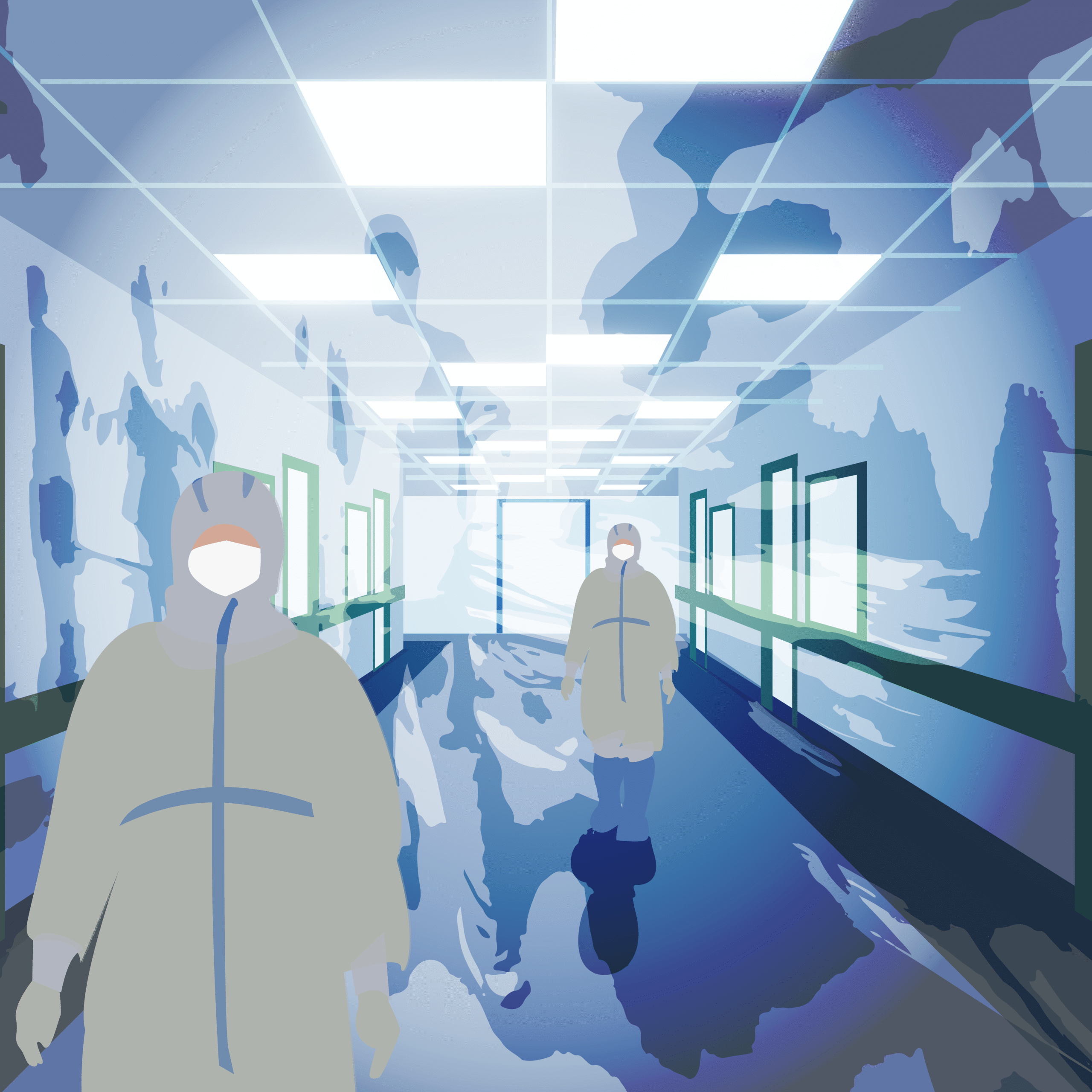
Since the first cases of the Omicron variant were found in New Brunswick in early December 2021, hospitalization rates in the province have increased visibly due to the variant’s high transmissibility.
This adds an immense amount of stress on the already-fragile healthcare system that the province is working with, and especially on the healthcare workers.
According to Global News, hospitals in New Brunswick “were down 369 health-care workers” as of last Thursday. With the province’s forecast to reach more than 100 positive-cased patients and as many as 220 hospitalizations by early February, the circumstance is definitely critical.
Nurses working on the front lines said that, “[people] – who already work 12-hour shifts normally – are often working 16- and even 24-hour shifts,” and they are finding themselves exhausted from this staffing shortage. As staffing capacity reaches its tipping point, nurses who have tested positive may be called in to cover a shift and take care of patients.
Amanda Cormie, a registered nurse at the Saint John Regional Hospital’s emergency department, spoke with Atlantic News about her and her coworkers’ on-going effort to fight COVID-19.
“When the pandemic first started… we used to see people just come in with COVID…. Now we’re seeing people come in with strokes, they’ve broken their hip, they’ve had a heart attack, they’ve had a car accident. And then, we’re swabbing people and they’re coming back positive. So they’re in with something else and… COVID on top of it. That is a much worse place to be sitting as a health-care system….”
This fragile system has caused some of those Cormier knew who graduated less than five years ago to leave the profession.
“It takes longer to recover on your days off, you’re a lot more absent from your family, you might be there but I’m mentally not there. I’m tired, we’re tired… you can only pour from that empty glass so often and eventually your body goes, ‘No, I don’t want to do this anymore.’”
Not only does the new wave of COVID affect healthcare workers, patients who are hospitalized also feel the weight.
Speaking to CBC, Jody Kennedy, a frequent patient at the Saint John Regional Hospital, expressed that seeing nurses trying to attend to the needs of an overbearing amount of patients worried her, and that made her feel guilty to ask for help with even the smallest task.
“You felt ashamed to ring your bell,” she said. “[I] felt guilty then, even asking for water, and so [I’d] go without.”